Strength Training for Osteopenia and Osteoporosis: A Trainer's Guide
May 10, 2026
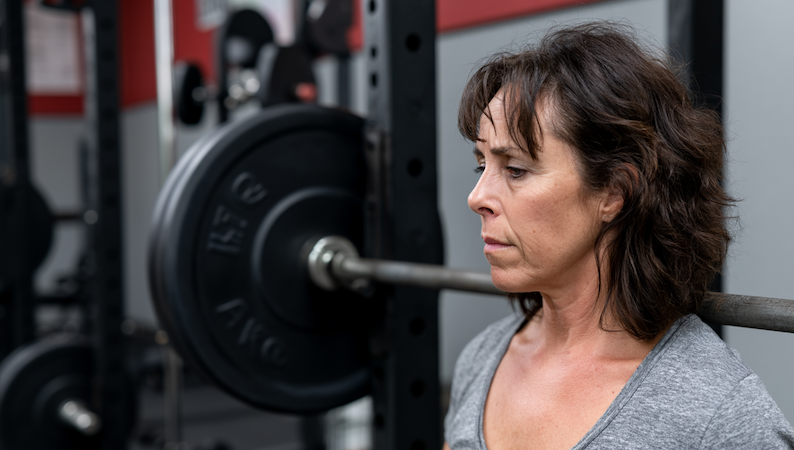
Strength training is one of the most evidence-supported ways to improve bone health in people with osteopenia and osteoporosis. Research shows that progressive resistance training can help maintain or improve bone mineral density, while also improving strength, balance, coordination, and fall resilience.
That matters because fractures are not only linked to low bone density. They are also strongly associated with muscle weakness, instability, and reduced physical function.
For years, many people with osteoporosis were told to avoid lifting weights or challenging movement. Current evidence suggests the opposite approach is often more beneficial: appropriately programmed resistance training helps the body stay stronger and more resilient over time (International Osteoporosis Foundation).
Can Strength Training Improve Bone Density?
Yes, although changes are usually gradual rather than dramatic.
Bone tissue responds to mechanical loading. When muscles pull against bone during resistance training, the skeleton adapts over time. A 2023 review of 50 randomized controlled trials found that resistance and impact training improved bone strength, balance, physical performance, and fall-related outcomes in people with osteopenia and osteoporosis (Bae et al., 2023).
Research also suggests that exercise benefits people before osteoporosis fully develops. Postmenopausal women with osteopenia appear to respond similarly to women with normal bone density (Mohebbi et al., 2023).
Why Strength Matters Beyond Bone Density
Bone health is only one part of the picture.
Falls are one of the biggest drivers of fractures, especially with aging. Resistance training improves several important protective factors at the same time:
- Lower-body strength
- Balance and coordination
- Mobility and physical function
- Confidence with movement
This is one reason long-term inactivity can become counterproductive. Avoiding all physical challenges may reduce confidence and accelerate muscle loss over time.
What Does Safe Osteoporosis Training Look Like?
A good osteoporosis strength program is progressive, structured, and individualised.
Most programs focus on:
- Strengthening the legs, hips, and back
- Weight-bearing exercises
- Postural training
- Balance work
- Gradual increases in resistance over time
For some people, impact exercises such as marching, step-ups, or light jumping may also be appropriate.
The goal is not maximal intensity. The goal is enough loading to stimulate adaptation safely and consistently.
5 Evidence-Based Principles for Training with Osteoporosis
- Frequency: Aim for 2 to 3 resistance training sessions per week to stimulate bone remodeling.
- Targeting: Focus on major muscle groups (legs, back, and hips) where fractures are most common.
- Progressive Overload: You must progress load over time. Bone responds to a "minimum essential strain" to grow stronger.
- Impact Work: Include weight-bearing or impact exercises (like marching or jumping) if tolerated and medically appropriate.
- Consistency: Maintain training long-term, as the skeletal benefits begin to reverse within months of stopping (Gombarčíková et al., 2025).
Is High-Intensity Strength Training Safe?
Potentially, yes, when supervised appropriately.
The LIFTMOR trial found that supervised high-intensity resistance and impact training improved bone mineral density and physical function in postmenopausal women with low bone mass, without adverse events under supervision (Eslamipour et al., 2023).
This does not mean everyone with osteoporosis should immediately start heavy lifting. Exercise selection and progression need to match the individual's medical history, movement quality, pain levels, and confidence.
What the research increasingly shows is that complete avoidance of loading is often less helpful than carefully supervised strength training.
Final Thoughts
Bone adapts slowly, which means consistency matters more than short bursts of motivation.
The goal of osteoporosis training is maintaining strength, mobility, balance, and independence over the long term.
Starting a strength program when you have a diagnosis of osteopenia or osteoporosis can feel intimidating. You want to get stronger without the risk of injury. As a personal trainer specialising in bone-safe strength programs, I help you with a programme and support that builds confidence and improves your health. Book a consultation.
Sources
- International Osteoporosis Foundation. Exercise. Available at: https://www.osteoporosis.foundation/health-professionals/prevention/exercise
- Bae, S. et al. (2023) 'Position Statement: Exercise Guidelines for Osteoporosis Management and Fall Prevention in Osteoporosis Patients', Journal of Bone Metabolism, 30(2), pp. 149-165. doi: 10.11005/jbm.2023.30.2.149. PMID: 37449348; PMCID: PMC10345999.
- Mohebbi, R. et al. (2023) 'Exercise training and bone mineral density in postmenopausal women: an updated systematic review and meta-analysis of intervention studies with emphasis on potential moderators', Osteoporosis International, 34(7), pp. 1145-1178. doi: 10.1007/s00198-023-06682-1. PMID: 36749350; PMCID: PMC10282053.
- Eslamipour, F. et al. (2023) 'High versus Low-Intensity Resistance Training on Bone Mineral Density and Content Acquisition by Postmenopausal Women with Osteopenia: A Randomized Controlled Trial', Medical Journal of the Islamic Republic of Iran, 37, p. 126. doi: 10.47176/mjiri.37.126. PMID: 38318407; PMCID: PMC10843212.
- Gombarčíková, T. et al. (2025) 'The effect of physical activity intervention and detraining on postmenopausal osteopenia and osteoporosis: a systematic review', Frontiers in Sports and Active Living, 7, p. 1655404. doi: 10.3389/fspor.2025.1655404. PMID: 41059215; PMCID: PMC12497781.